ACTA Home | Vertebrate Pests | Invertebrate Pests | Products | Distributors | MSDS | News | Links | About Us | Site Map
Plague mice
Serious mouse infestations have occurred in grain-growing areas for more than a century. On average, serious mouse infestations occur about once every four to ten years and last up to two years. Infestations are common following exceptionally good cropping seasons.
Many other factors contribute to the occurrence of outbreaks:
There are good reasons for these farming practices. However, a consequence may be increased mouse numbers. This is an acceptable trade-off in most years.
SPILT GRAIN FROM HARVESTING PROVIDES FOOD FOR MOUSE BREEDING. MOUSE NUMBERS OFTEN RISE IN THE SEASON FOLLOWING BUMPER HARVESTS.
Mouse numbers build up to cause damage over a period of months, when:
Rapid build-up requires continuous breeding and high juvenile survival. Sometimes, the rapid-increase phase is not recognised until numbers are already approaching plague proportions.
IT IS CRITICAL TO RECOGNISE POPULATION RISES EARLY AND APPLY BAIT TO PREVENT DAMAGE IF CROPS ARE VULNERABLE
Plague mice
Traditionally landholders have only reacted to major outbreaks when mice infest buildings, overrun crops or are seen in large numbers on roads. Mouse numbers can exceed 1,000/ha in these situations.
However, it is now recognised that reacting to 'plagues' may be too late to prevent damage to crops. Numbers of mice as low as 100/ha can cause serious damage, so it is important to consider strategic management.
THE FOCUS SHOULD NOT BE ON MOUSE NUMBERS BUT ON THE RISK TO CROPS.
A mouse in a loaf of bread.
Moderate to high mouse numbers damage crops, stored grain and fodder, farm infrastructure and equipment. Mice can affect horticulturists, viticulturists, graziers, rural businesses, intensive livestock facilities and wool stores. Mice can spoil food with faeces and urine and can transmit diseases and parasites to humans and livestock (eg salmonella).
In Australia direct and indirect costs of serious plagues can exceed A$100 million nationally. Individual farms can suffer partial or complete crop loss.
In cropping areas, mice target most major crops including cereals, legumes, pulses, sorghum and maize. High-protein vegetable crops including peas, beans and chickpeas are also at risk along with intensive vegetable crops such as zucchini, tomatoes, eggplants, capsicums and melons. Summer and winter cereal crops are vulnerable at several stages of development including at sowing, at flowering and during the doughy, milky or podding stages through to pre-harvest mature crops.
THE KEY TO PREVENTING CROP DAMAGE IS RECOGNISING AND TREATING INFESTATIONS EARLY.
Damage in a Canola crop
Crop damage is often unnoticed until it is severe. Sometimes mouse damage is misdiagnosed as snail or slug damage, or the effect of moisture stress or disease.
Signs of mouse activity include chewed stems, damage to seed heads and/or debris at the base of the plant. In cereal crops such as wheat, mice chew the growing stems of the plant to feed on sap, stopping development of the head or causing the stem to collapse.
Mice can drop seed heads by chewing through the top node at flowering and also attack the maturing heads. This can cause losses of up to 50% at pre-harvest stage.
BEWARE: MODERATE MOUSE NUMBERS CAN CAUSE SIGNIFICANT DAMAGE, DEPENDING ON THE STAGE OF THE CROP CYCLE.
If a crop is at risk it is appropriate to treat mice strategically while at low to moderate numbers. This reduces the breeding base for mice and prevents further crop damage.
Damage may not be consistent throughout the crop. Look for bare patches, mouse holes and ‘highways’, and evidence of wilting or stem damage at nodes. Investigate mouse activity within the crop (not just on the edges).
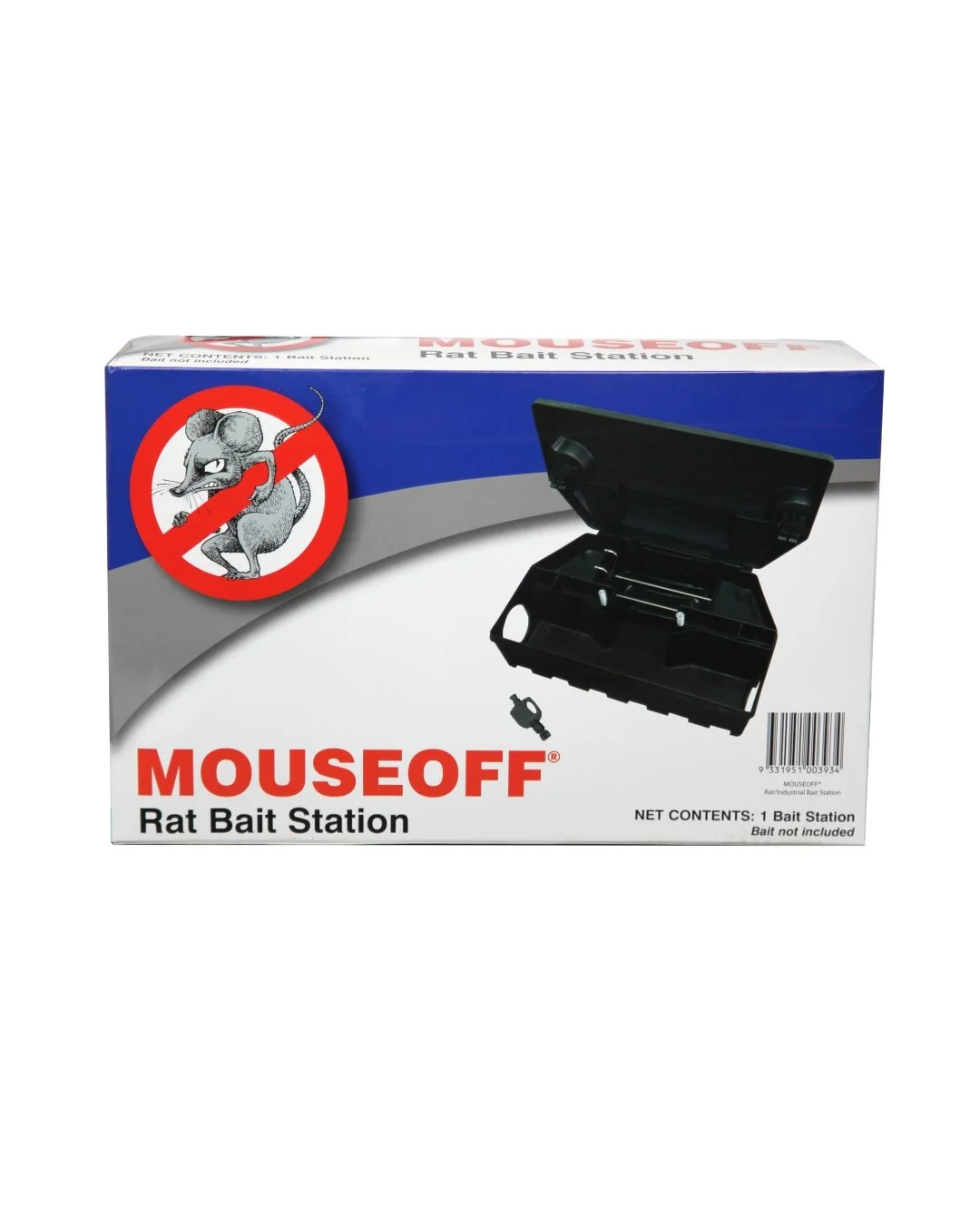
The zinc-phosphide rodent bait MOUSEOFF® Zinc Phosphide is the appropriate choice for broadacre mice control in crops. It should be used in conjunction with other measures to prevent mouse damage to crops.
Animal Control Technologies
46-50 Freight Drive
Somerton, Victoria, 3062
Australia
Telephone +61 3 9308 9688
Fax +61 3 9308 9622
E-mail: enquiries@animalcontrol.com.au